Surgical
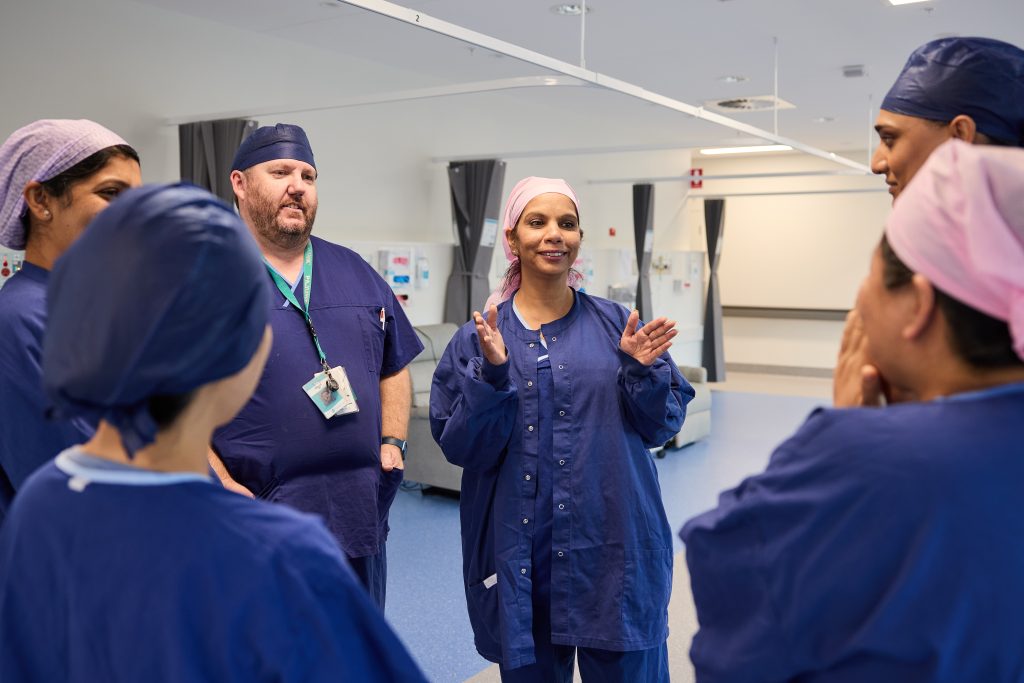
The George Centre provides day only and short-stay surgical services for adults and children (3 nights for non-acute procedures).
Our hospital has 5 operating theatres and a dedicated endoscopy suite with a day surgery unit, recovery stage 1 and 2, and a dedicated paediatric recovery unit.
The quality and unique offering of our hospital has attracted the region’s leading medical specialists providing the following servies:
- Bariatric (weight loss) Surgery
- Breast Surgery
- Colorectal Surgery
- Ear, Nose and Throat Surgery
- Endocrine Surgery
- Fertility
- General Surgery
- Gynaecology
- Gynaecology
- Hand Surgery
- Oral Surgery
- Orthopaedics
- Maxillofacial Surgery
- Paediatric Surgery
- Plastic and Reconstructive Surgery
- Urology
Orthopaedics
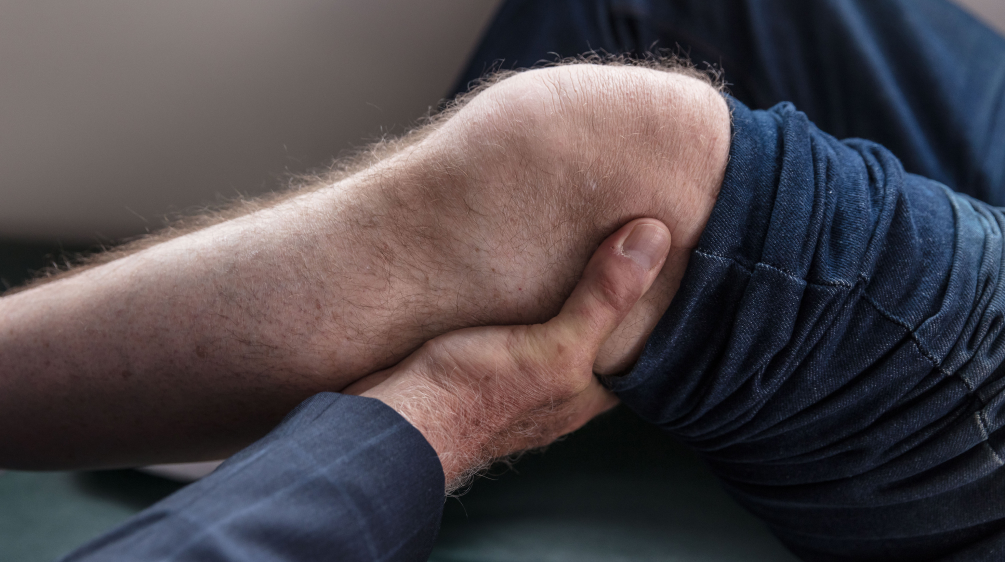
Orthopaedics is the medical specialty dealing with disorders of the musculoskeletal (MSK) system which includes the bones, joints, tendons, muscles, ligaments and nerves.
Orthopaedic Surgeons have undertaken extensive additional training and are specialists in the diagnosis, treatment and management of musculoskeletal conditions either through surgical or non-surgical methods.
The advantages of private orthopaedic surgery
Private Orthopaedic surgery allows quicker access to an expert surgeon of your choice. Our surgeons are general orthopaedic surgeons or sub-specialised trained and provide treatment for all musculoskeletal conditions for adults and children including:
- Arthritis
- Sports injuries
- Accidents and trauma
- Genetic conditions
- Workplace injuries
They provide diagnosis and management for conditions affecting the:
- Hip
- Knee
- Foot, Ankle, Toes
- Shoulder, Elbow, Wrist
- Hand, Thumb, Fingers
What types of orthopaedic surgery are there?
Orthopaedic surgeons perform a wide range of surgical procedures. The most common types are:
Arthroscopy – the surgeon investigates a joint through minimally invasive keyhole surgery
- Arthroplasty – joint replacement surgery
Revision arthroplasty
- Deformity correction
When should you consider a consultation with an orthopaedic surgeon?
You could benefit from a consultation with a specialist orthopaedic surgeon if:
You have chronic pain that is affecting your everyday life
You have trouble performing your daily activities due to stiffness or pain including climbing the stairs, toileting, or reaching up
You have increased stiffness or red swollen joints
You have an MSK injury that doesn’t seem to be improving
Your GP or an allied health professional has recommended this
It is important to note that surgery is only one range of treatment offered by an orthopaedic specialist and is typically only considered and recommended when necessary.
Learn more about our orthopaedic surgeons and their particular areas of interest and expertise by going to our specialist directory.
Urology
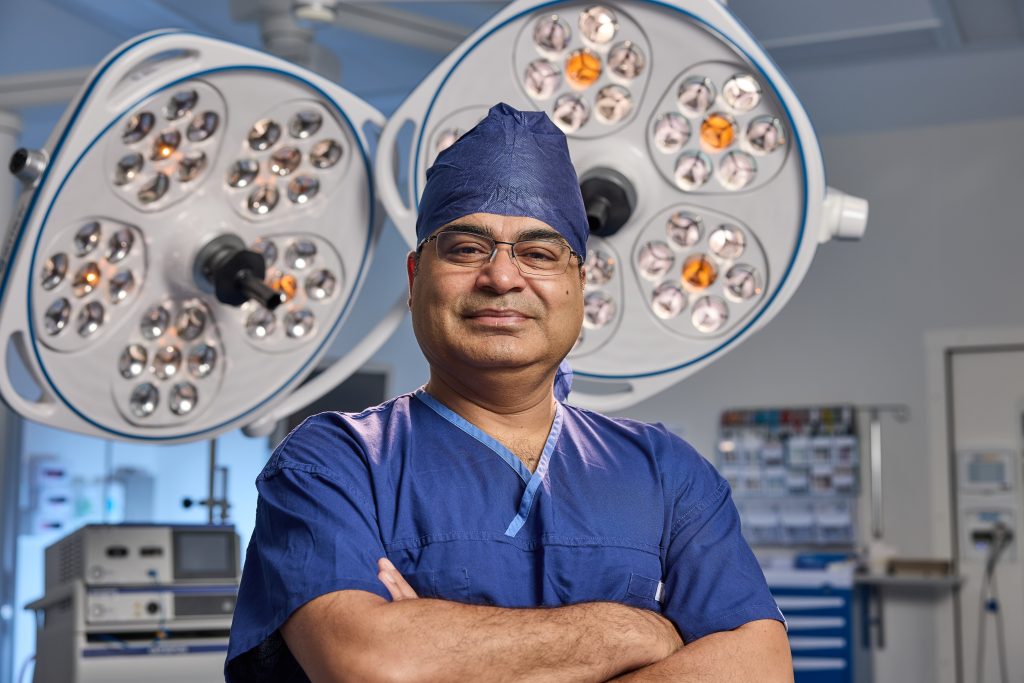
Urologists are specialist surgeons who treat people suffering with problems affecting their kidneys, bladder, prostate and male reproductive organs.
What are common urological conditions treated by urologists?
Urologists treat a wide range of conditions including:
- Cancer of the bladder, kidneys, prostate, testicles
- Kidney stones
- Pelvic floor problems
- Incontinence including overactive bladder
- Infections
- Sexual dysfunction
- BPH (Enlarged prostate or benign prostatic hyperplasia)
The George Centre introduces Rezum – the latest non-invasive treatment for BPH
BPH also known as enlarged prostate can cause frustrating symptoms for men including frequent urination, hesitancy in urination, urgency to urinate and a weak urinary stream.
Rezum Therapy is a minimally invasive procedure performed under general anaesthetic that utilises water vapour (steam) and is delivered through a handheld device using cystoscopy. The radiofrequency-generated water vapour delivers thermal energy to the enlarged prostatic tissue which subsequent to the treatment is absorbed by the obstructing prostate tissue allowing a more open channel for improved flow.
You can learn more about our urologists and their particular areas of interest and expertise by going to our specialist directory
Weight Loss (Bariatric) Surgery
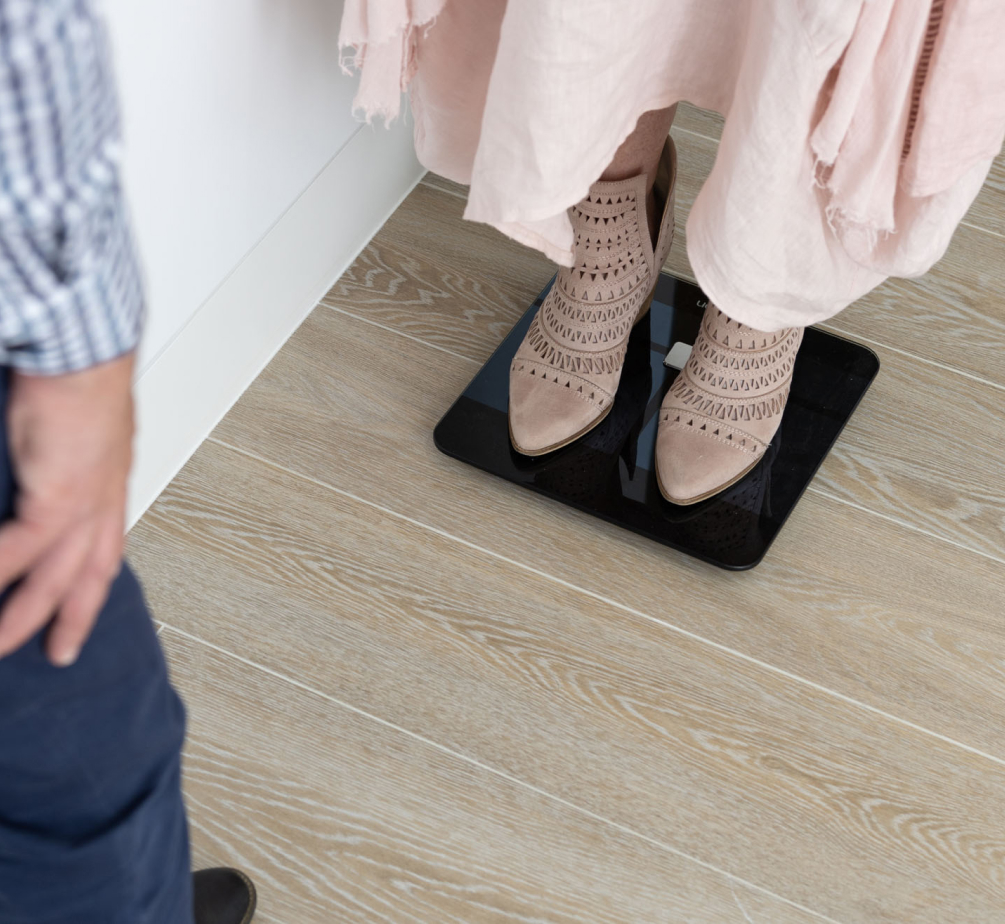
Weight Loss or Bariatric surgery uses advanced surgical procedures to assist patients who have not been able to manage weight loss through non-surgical methods such as diet, exercise programs, behaviour modification and medication.
What are the different types of weight loss procedures?
There are a number of different types of weight loss procedures available.
The George Centre has our region’s leading bariatric surgeons offering weight loss procedures and all use the latest technology to perform minimally invasive surgery. They will be able to advise the most suitable surgery based on your individual lifestyle and needs.
The weight loss surgery procedures performed at The George Centre are:
Gastric Sleeve Surgery
Roux-en Y Gastric Bypass
Single Anastamosis Gastric Bypass (SAGB)
Loop-Duodenal Switch
Revision bariatric procedures
Who is suitable for weight loss surgery?
Bariatric surgery is not suitable for everyone – it involves major, life-changing surgery and an ongoing commitment to adopting life-long changes to diet, exercise and lifestyle.
If you have not succeeded in managing weight loss with non-surgical methods, you should speak to your GP (if you haven’t already done so). They will be able to help you understand the risks and potential benefits of weight loss surgery. You will also find there are free seminars run regularly at our hospital for patients who want to further investigate their options for bariatric surgery with information sessions run by bariatric surgeons and nurses.
If you would like to learn more about our weight loss surgeons, click here
EAR, NOSE AND THROAT (ENT)
The George Centre provides comprehensive Ear, Nose and Throat (ENT) surgery for adults and children through our region’s leading ENT specialists. Conditions and treatments include:
Paediatric ENT
- Adenoids and tonsils
- Snoring and sleep apnoea
- Otitis media, glue ear and grommet insertion
Adult ENT conditions
- Voice Larynx Swallowing
- Thyroid and Parathyroid
- Nose and Sinus
- Head and Neck Cancer
- Salivary Gland Disease
Learn more about our ENT surgeons and their particular areas of interest and expertise by going to our specialist directory.
Other important information if attending for a surgical procedure at The George Centre
- Wear comfortable loose clothing and flat shoes.
- Do not bring valuables. Although every effort will be made to ensure their safety, The George Centre accepts no responsibility for the
loss of valuables during your admission. - Arrange for someone to pick you up and stay with you for 24 hours.
- One of our nursing team will contact your designated pick-up person by telephone and advise you are ready to be taken home.
- Do not drive, operate machinery, or make important decisions for 24 hours after your surgery.
- Do not drink alcohol within 24 hours of your surgery.
The private hospital surgical experience difference
When you choose to have your surgical treatment at The George Centre Private hospital you can expect to be treated better. All our patients are cared for by our highly specialised nursing and allied health teams who are supported by our 24-hour CMOs.
Your private hospital admission will include:
- The specialist of your choice
- Admission at a convenient time
- Accommodation in a single room with an ensuite (except for the close-monitoring unit)
- A private dining menu from our fresh cook kitchen
- A relaxed stay in a pleasant facility where you feel comfortable and cared for
Don’t have private health insurance?
If you don’t have private health insurance you can still be a patient at our hospital. You can speak to your specialist about their fees and ask them about our highly competitive self-funded insurance rates. They will be able to request an estimate from our hospital billing team.