June is Bowel Cancer Awareness month
Bowel cancer is one of the most curable types of cancer if it is found early. This year, Bowel Cancer Awareness month brings the positive message of “Save lives through early detection.”
Australia’s National Bowel Cancer Screening Program aims to improve the rate of early detection within the population.
What is bowel cancer?
Bowel cancer is a cancer that is found in any part of the large bowel (the rectum or colon) and is sometimes referred to as colorectal cancer, colon cancer or rectal cancer – depending on where it starts.
It starts from the inner lining of the bowel and typically develops from small growths on the bowel called polyps. Most polyps are harmless (or benign), however some polyps become cancerous (or malignant).
If left untreated, bowel cancer can grow into the deeper layers of the bowel wall and from there it can spread to the lymph nodes. If the cancer advances, it can then spread to other organs (metastasise).
In most instances, the cancer is confined to the bowel for months or even years before spreading, which is why early detection is so possible and important; and it saves lives.
Who is affected by bowel cancer?
Bowel cancer is the third most common cancer in Australia. Although it is most common in people over 50 years, bowel cancer can occur at any age.
Current estimates show that about 15,531 people are diagnosed each year, with statistics showing about one in 21 men and one in 31 women will develop bowel cancer before 75 years of age.
What causes bowel cancer?
The exact cause of bowel cancer is still unknown; however, research has shown that people with certain risk factors are more likely to develop the disease. Known risk factors include:
- People aged over 50, with the risk increasing with age
- Having a large number of polyps in the bowel
- People who have an inflammatory bowel disease such as Crohn’s disease or ulcerative colitis – particularly if they have had this disease for more than eight years
- Lifestyle factors such as being overweight; a diet that is high in processed meats and red meat; alcohol intake and smoking are also known risk factors
- A strong family history of bowel cancer
- Other diseases – sometimes people who have had bowel cancer can develop a second bowel cancer; also, people who have had uterine or ovarian cancer have an increased risk of bowel cancer
- A small number of bowel cancers are associated with rare genetic disorders
What symptoms should you be aware of for bowel cancer?
There are a number of symptoms that might indicate bowel cancer, these can include:
- A change in bowel habits including diarrhoea, constipation, or a feeling of incomplete emptying
- Thin or narrow stools
- Blood in the stools
- Cramping or bloating
- Abdominal pain
- Pain in the anus or rectum
- Weight loss
- Fatigue
- Unexplained anaemia
If you have experienced any of these symptoms and they have continued for two weeks or more, you should arrange to see your doctor.
What are the treatments for bowel cancer?
The treatments for bowel cancer vary depending upon each individual’s circumstance and the prognosis on the type and stage of cancer, as well as the person’s general health at the time of diagnosis. Treatments can include surgery, chemotherapy, radiation therapy or a combination of these.
How to prevent getting bowel cancer
The risk of developing bowel cancer can be reduced by having a healthy diet that includes lots of fresh fruit and vegetables, limiting the consumption of red meat and avoiding processed meats (such as salami and ham), exercising regularly, and maintaining a healthy body weight.
Bowel cancer screening
Free Bowel Cancer screening is currently provided for Australians over the age of 50. In July 2024, the eligible screening age will be lowered from 50 – 45 years with bowel cancer screening kits sent in the mail every 2 years.
The use of endoscopy “colonoscopy” for bowel screening
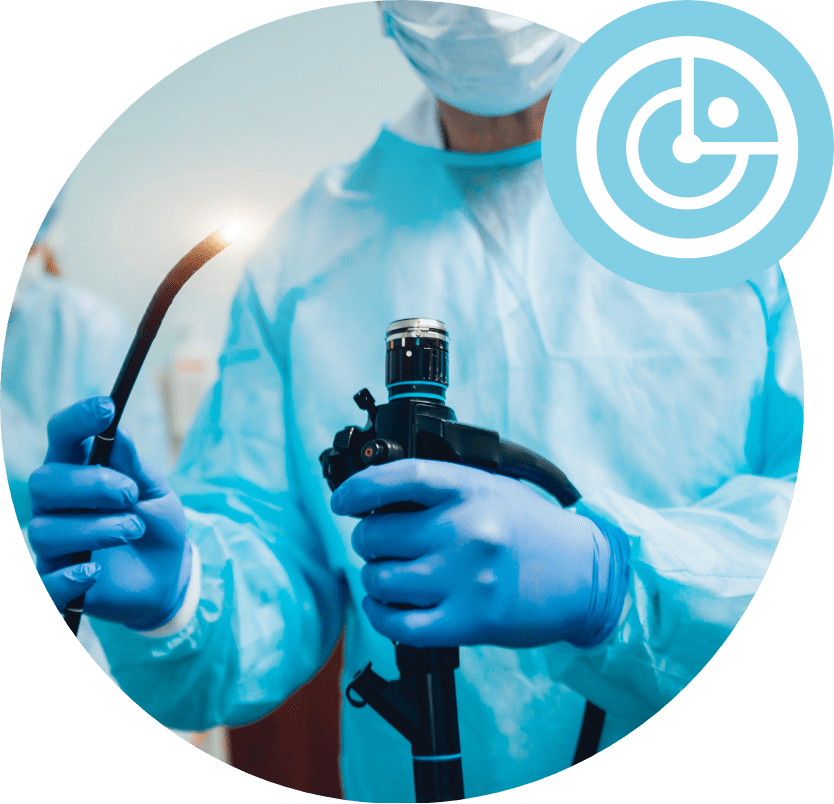
Colonoscopy is a procedure used by medical specialists to investigate gastrointestinal symptoms affecting the bowel such as abdominal pain, blood in the stool, cramping, bloating and diarrhoea. It also allows the opportunity for the doctor to collect tissue samples (or biopsy), and is the main test used in the investigation and diagnosis of bowel cancer.
Direct Access Endoscopy at The George Centre
In conjunction with collaborating specialists, The George Centre offers a Direct Access Endoscopy service; a streamlined service used for screening purposes and gastrointestinal health checks.
You can learn about this service, our participating specialists and patient eligibility here and speak with your GP or specialist for further information or a referral.
Be aware – and remember that early detection saves lives.